Fluoride is a naturally occurring mineral that helps prevent tooth decay, but it is often misunderstood. At Modern Dentistry and Cosmetics in Joplin, Missouri, many patients ask for clear, science-based fluoride facts and myths so they can make confident choices about their oral health.
What Is Fluoride?
Fluoride is the ionic form of the element fluorine, found naturally in soil, water, and many foods. In dentistry, it strengthens tooth enamel and helps reverse early stages of tooth decay, which is why it is added to toothpaste and some community water supplies. These fluoride facts support its use as a safe, effective tool in modern preventive care when used at recommended levels.
Proven Benefits of Fluoride
Building on that foundation, decades of research show that fluoride reduces cavities by helping teeth resist acid attacks from plaque and sugars. Community water fluoridation has been shown to lower tooth decay rates in children and adults by at least 25%, even for people who already use fluoride toothpaste. When reviewing fluoride facts and myths, this consistent reduction in cavities is one of the most essential fluoride safety facts supported by major health organizations.
Common Myths and Real Risks
Despite these proven benefits, some common fluoride myths continue to circulate. One of the most frequent claims is that fluoride is a “dangerous chemical,” but at recommended concentrations, fluoride in water is not toxic according to the best available scientific evidence. Like many nutrients, the dose matters: extremely high levels over long periods can cause dental or skeletal problems, but U.S. drinking water standards and product guidelines are designed to prevent that.
Another widespread myth is that fluoride causes significant health problems, such as systemic diseases. However, rigorous reviews have found no credible evidence of such harms at community fluoridation levels, a key point when debunking fluoride myths in patient education.
Fluoride in Water and Use in Children
Questions often focus on fluoride in water and its effects on families. Some people believe fluoride in water is unnecessary, but facts about fluoride in drinking water show that optimally fluoridated water protects entire communities, including those with limited access to dental care. The Environmental Protection Agency and public health agencies regulate fluoride levels, recommending a maximum to prevent fluorosis while still maintaining strong protection against cavities.
Concerns about children are another common fluoride myth vs fact moment. Expert groups recommend that children receive appropriate daily fluoride exposure, mainly from fluoridated water and toothpaste, with the dosage tailored to age and local water levels. For infants and young children, caregivers should:
- Use only a smear or pea-sized amount of fluoride toothpaste, depending on age.
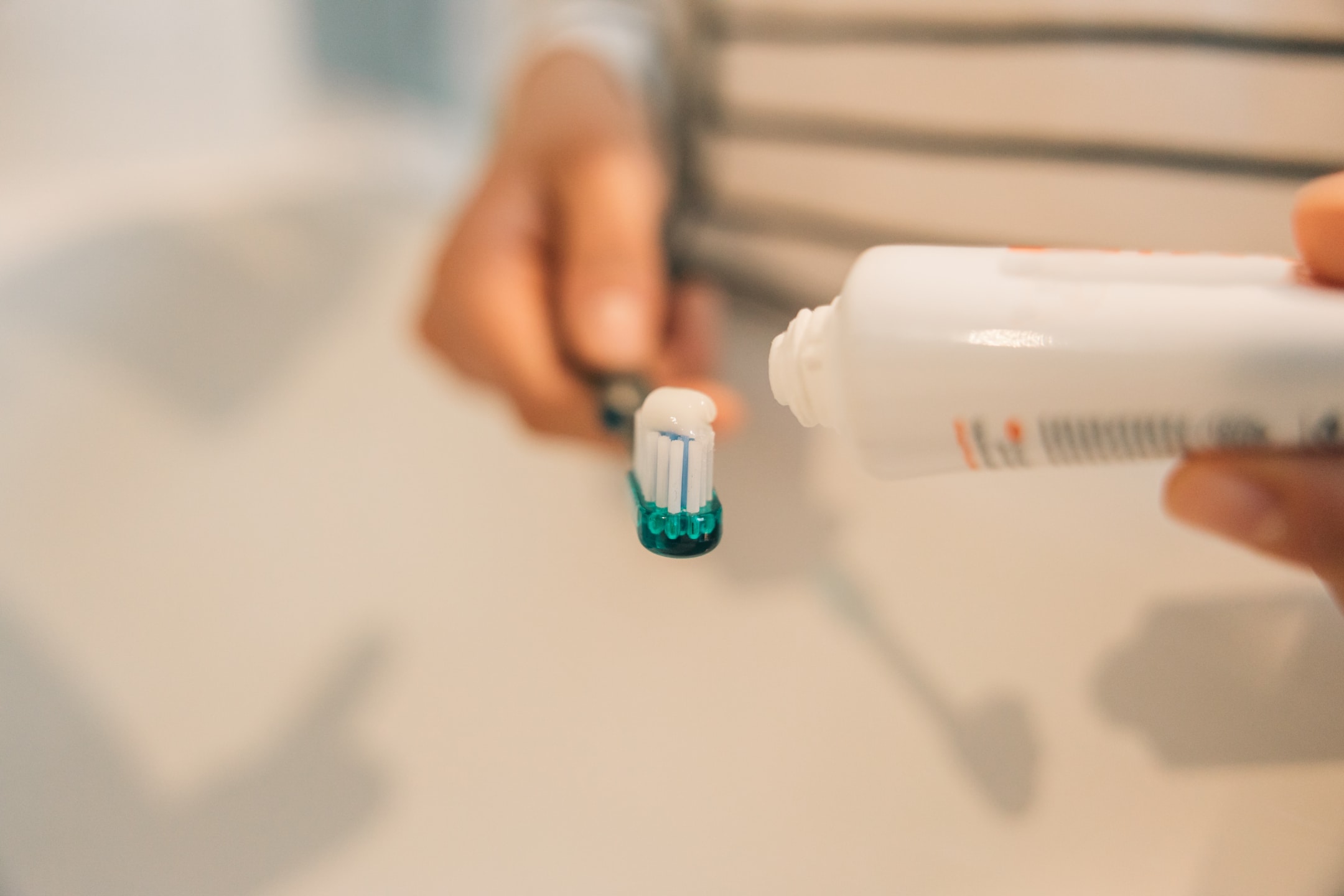
- Help with brushing to reduce swallowing and make fluoride safe and effective.
- Ask a dentist about supplements only if the local water has very low fluoride.
Using Fluoride Safely and Evaluating Claims
Understanding how fluoride is used in real life helps tie all these points together. High accidental doses from the misuse of supplements or ingestion of professional products can cause short-term symptoms such as nausea and vomiting, but such events are rare and preventable. Knowing these fluoride facts helps distinguish real, dose-related risks from exaggerated online claims about common fluoride myths. When reading about fluoride safety online, patients should look for reputable sources such as government, hospital, or professional organization websites rather than unverified blogs or social media posts.
At Modern Dentistry and Cosmetics, the team encourages patients to ask questions so fluoride facts can be discussed in the context of their personal and family needs. By re-centering the conversation on evidence, not fear, patients in Joplin can use fluoride confidently as part of a personalized prevention plan that keeps smiles healthy for years to come.