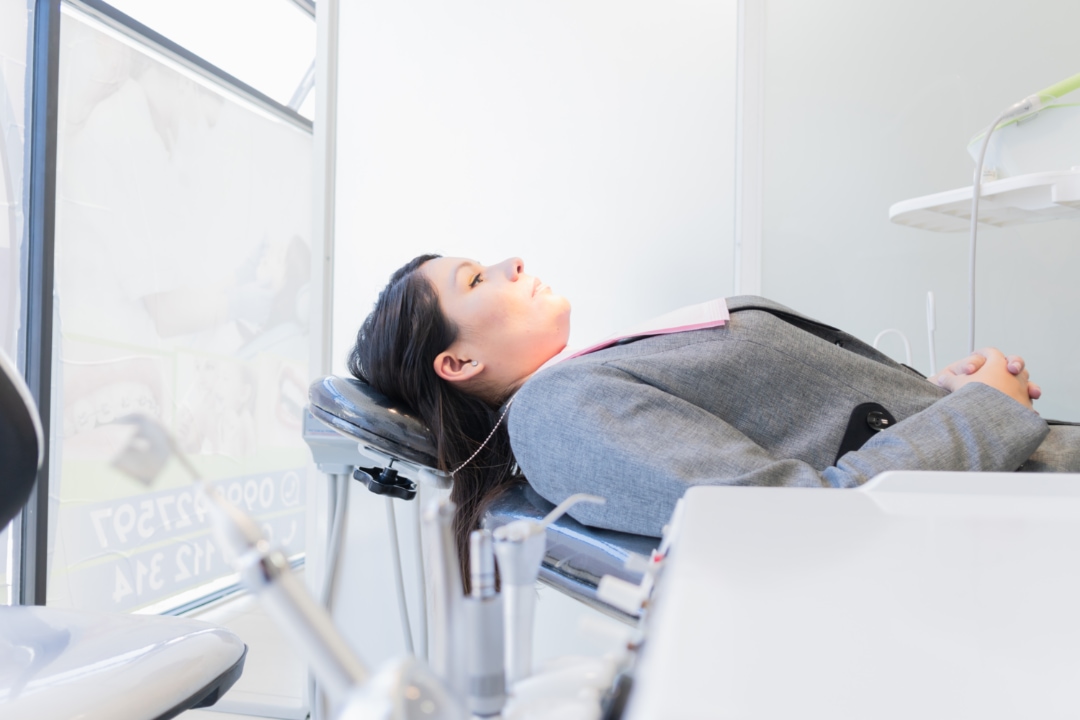
Dental Chair Anxiety is a common and significant barrier to dental care, affecting patients of all ages and backgrounds. At Modern Dentistry and Cosmetics in Joplin, Missouri, understanding and addressing this anxiety is key to helping patients receive the care they need comfortably and confidently. Both patients and dental offices play essential roles in reducing dental chair anxiety through effective communication, environmental adaptations, relaxation techniques, sedation options, and patient support.
Communication and Trust
One of the foremost ways to reduce dental chair anxiety is through open communication between patients and dental offices. When patients feel comfortable discussing their fears and concerns, dental professionals can provide reassurance, explain procedures clearly, and establish trust.
Building this rapport improves patients' sense of control and diminishes fear of the unknown. Studies show that incorporating cognitive-behavioral techniques into communication can help restructure negative thoughts and improve coping during dental visits.
Creating a Calming Environment
Dental offices can significantly reduce anxiety by fostering a calming atmosphere. A welcoming environment includes soft lighting, comfortable furniture, and soothing background music.
Some offices also use aromatherapy with scents like lavender, which research indicates lowers stress hormone levels during treatment. Distractions such as televisions or virtual reality experiences can help patients divert their attention from the dental procedure, aiding relaxation and reducing anxiety.
Relaxation Techniques for Patients
Patients themselves can take active steps to manage dental chair anxiety with relaxation techniques. Techniques to help patients physically and mentally relax before and during dental appointments include deep breathing, self-guided imagery, and muscle relaxation.
These methods counteract the stress response by promoting the opposite—a relaxation response—which can lower heart rate and ease muscle tension. Dental professionals can guide patients through these exercises as part of their care practice.
Last Resort: Sedation Options
When other approaches are insufficient, sedation options for dental anxiety provide an effective alternative. Options range from mild nitrous oxide ("laughing gas") to oral sedatives and intravenous sedation for more severe cases.
Sedation helps patients remain calm, reduces discomfort, and increases treatment acceptance. Research supports the safety and efficacy of these approaches, making them valuable tools for managing intense anxiety without sacrificing consciousness or responsiveness.
Patient Control and Support
Allowing patients to maintain a sense of control during dental visits also reduces anxiety. Simple measures include encouraging patients to use hand signals to request breaks, explaining each step of the procedure, and scheduling shorter appointment times to avoid prolonged stress. Providing continuous support throughout the treatment empowers patients, decreases fear, and promotes a more positive dental experience.
Bullet Points for Quick Reference:
- Open communication builds trust and reduces fear
- Calming office environments soothe patients' nerves
- Relaxation techniques help ease physical anxiety
- Sedation options offer relief when needed
- Patient empowerment improves overall comfort
By combining these patient-centered strategies with evidence-based practices, Modern Dentistry and Cosmetics aims to transform anxiety-filled dental visits into manageable and even positive experiences. Dental chair anxiety need no longer be a barrier to achieving optimal oral health, thanks to these collaborative efforts between patients and dental professionals.
This integrated approach ensures patients in Joplin, Missouri, receive not only expert dental care but compassionate, understanding support tailored to their emotional needs. Through patient-dental office communication, environment modifications, relaxation techniques for dental anxiety relief, thoughtful sedation options, and patient empowerment, dental chair anxiety becomes a challenge readily overcome.