Posts by Modern Cosmetics and Dentistry
Found 2 posts
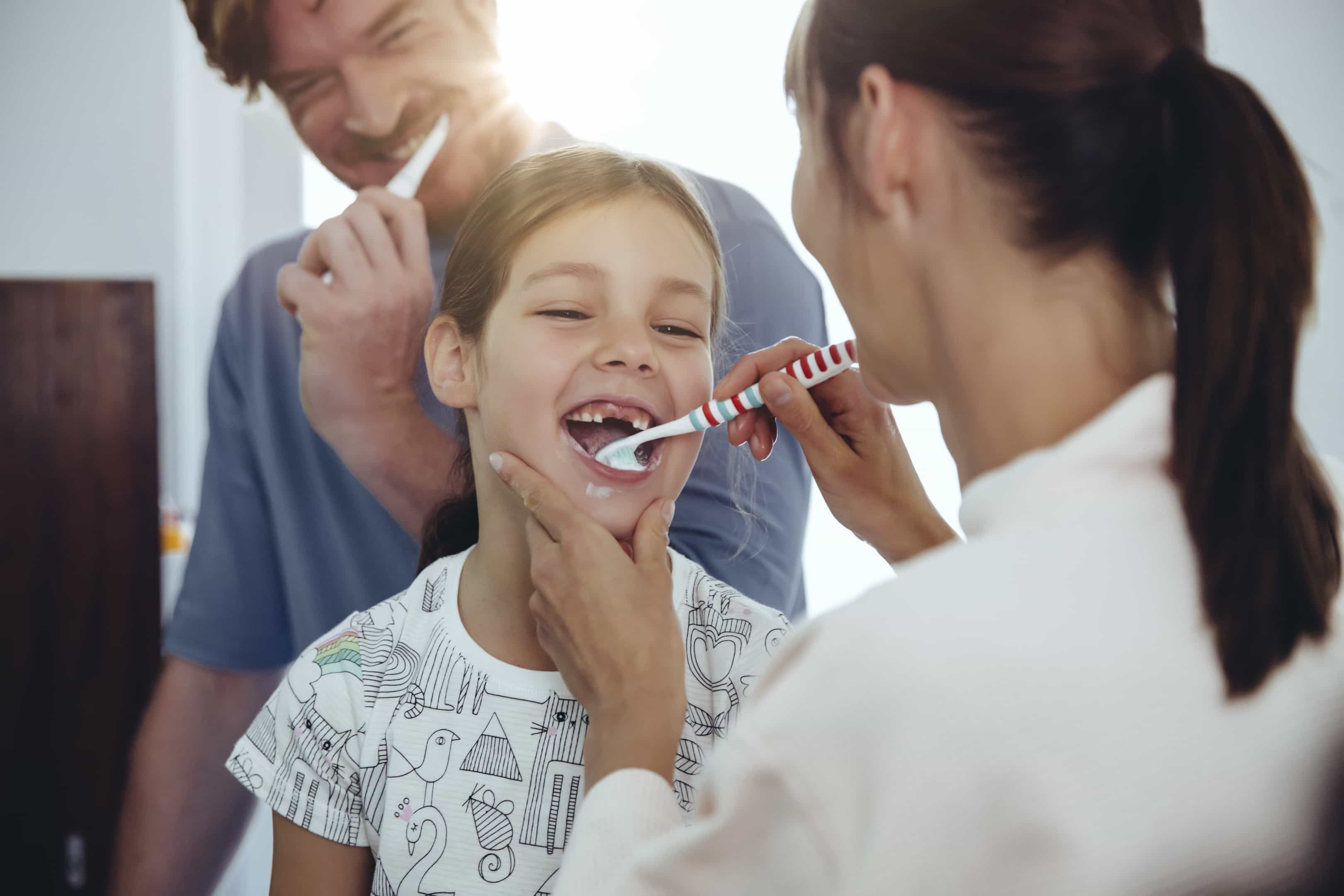
Use Your 2026 Dental Benefits Wisely: What Happens and Why It Matters for Long‑Term Dental Health
Published on 02/09/2026
When you understand how your dental benefits work, it becomes much easier to protect your smile and your budget. For patients at Modern Dentistry and Cosmetics in Joplin, Missouri, 2026 is a great year to be intentional about your coverage and your long‑term oral health.
Why 2026 Benefits Are “Use‑it‑or‑Lose‑it”
Most dental plans set an annual maximum and a benefit period that resets every year. If you don’t use those dollars on needed care—like exams, cleanings, or fillings—you usually lose that unused value when the year ends, rather than carrying it forward. Many employer and public plans emphasize coverage for preventive dental care because early detection is far less expensive than treating advanced disease later.
How to Know What Your Plan Covers
Before you schedule, take a few minutes to review your dental insurance summary of benefits or ask your plan directly what is covered. Typical plans pay a higher percentage for preventive dental care, such as exams, cleanings, and X‑rays, and a lower percentage for services like fillings, crowns, or root canals. Knowing your coverage helps you plan visits strategically, minimize out-of-pocket costs, and make the most of your dental benefits.
Smart Timing: Sequencing Treatment Across the Year
Good planning is key if you need more than routine preventive care in 2026. Many patients benefit from mapping out treatment so they can use their annual maximum wisely and avoid end‑of‑year rushes. For example, you might schedule:
- A comprehensive exam and cleaning early in the year to catch any issues
- Restorative work (like fillings), soon after, while there is still plenty of annual coverage
- Follow‑up preventive dental care later in the year to maintain results and monitor any changes
This kind of timing helps spread costs and makes it more likely you will fully use your available dental benefits.
Hidden Cost of Not Using Benefits
Skipping regular visits can feel like saving money in the moment, but it often leads to higher costs later. Research shows that people who receive consistent preventive dental care tend to need fewer emergency or complex procedures and spend less on dental care overall. When small cavities or early gum disease go unchecked, they can progress into infections, tooth loss, and more extensive treatment that may exceed your annual dental benefits.
How Good Benefit Use Supports Long‑Term Dental Health
Using your coverage for regular checkups, cleanings, and recommended follow‑up care helps keep your teeth and gums healthier over time. Preventive dental care is linked to better oral health outcomes and can even contribute to improved overall health, especially for people with chronic conditions. By partnering with Modern Dentistry and Cosmetics and making the most of your dental benefits and dental insurance in 2026, you are investing in a stronger, more confident smile for years to come.
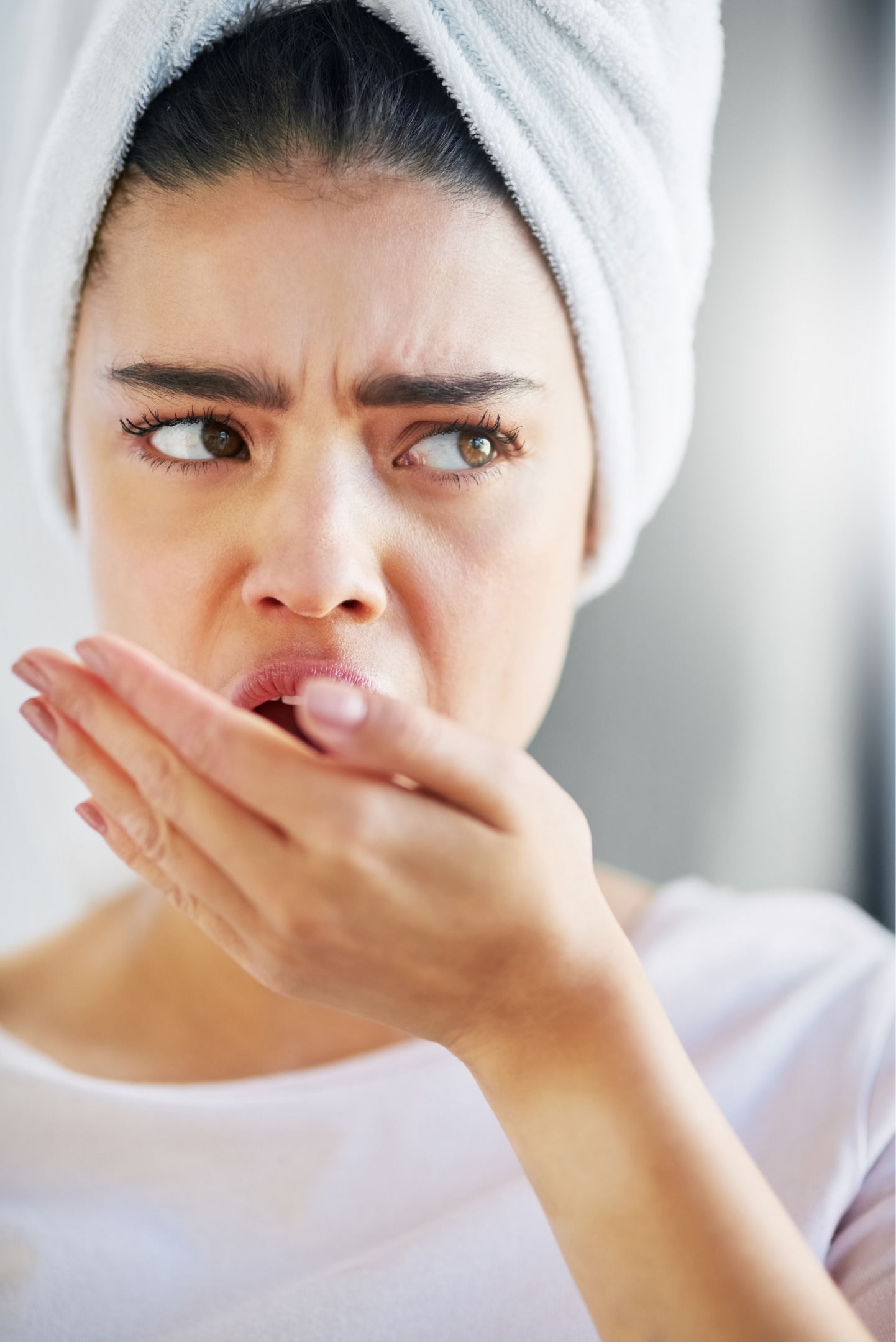
Common Problems Associated with Bad Breath That Often Get Overlooked
Published on 03/26/2025
Bad breath, medically known as halitosis, is a common issue that affects millions of people. While often attributed to poor oral hygiene or specific food choices, the underlying causes and associated problems can be more complex. Let's explore some overlooked aspects of terrible breath that deserve attention.
1. Connection Between Bad Breath and Gum Disease
Bad breath is frequently linked to gum disease, such as gingivitis and periodontitis. These conditions result from bacterial buildup in the tiny pockets between teeth and gums, leading to inflammation and odor. If left untreated, gum disease will form, leading to tooth loss and overall health issues like cardiovascular problems.
2. Medical Conditions That Contribute to Bad Breath
Beyond oral hygiene, bad breath can signal underlying medical conditions. For example:
- Diabetic Ketoacidosis: Causes a fruity-breath odor.
- Kidney Disease: Chronic kidney failure may lead to an ammonia-like smell.
- Gastroesophageal Reflux Disease (GERD): Acid reflux can release stomach contents into the esophagus, causing unpleasant odors.
These connections highlight the importance of consulting healthcare providers when foul breath persists despite good oral care.
3. Dry Mouth as a Hidden Culprit
Dry mouth, or xerostomia, is another overlooked factor in smelly breath. Saliva plays a vital part in washing away food particles and bacteria. Reduced saliva production—due to medications, dehydration, or salivary gland issues—creates an environment where odor-causing bacteria thrive.
4. Impact of Lifestyle Choices on Bad Breath
Lifestyle habits like overindulging in alcohol and smoking will significantly contribute to bad breath. Understanding this can help empower you to make positive changes. It's important to note that tobacco products stain teeth, irritate gum tissues, and promote bacterial growth. Similarly, alcohol dries out the mouth, reducing saliva flow and worsening mouth odors.
5. Psychological Effects of Persistent Bad Breath
Chronic smelling breath can affect mental health by causing embarrassment and social anxiety. It's important to understand that you're not alone in this struggle. Halitophobia—a fear of having imperfect breath—can lead individuals to overuse products like mints or mouthwashes that mask the problem but fail to address its root cause.
Tips for Managing Bad Breath
Allow yourself to tackle your terrible breath effectively by taking these proactive steps to manage your oral hygiene:
- Remove food debris and plaque by using floss and a toothbrush twice daily.
- After brushing, scrape your tongue's surface clean of any bacteria.
- Stay hydrated to maintain saliva production.
- Avoid tobacco products and limit alcohol consumption.
Regular dental checkups are crucial for professional cleanings and early detection of gum disease. This proactive approach can provide reassurance about your oral health and prevent potential issues from advancing. If your unpleasant breath persists despite these measures, consult your dentist to rule out systemic conditions.
Never Overlook Bad Breath, Schedule a Dental Cleaning Today
Bad breath is more than a minor inconvenience—it's a symptom of deeper health issues or lifestyle habits that require attention. Understanding its causes and taking proactive steps will improve oral health and well-being.
Remember, addressing unpleasant breath starts with identifying its root cause. That knowledge is more valuable than merely masking the odor with temporary solutions. Start by scheduling a dental cleaning today at Modern Dentistry and Cosmetics in Joplin, Missouri.
Whether you live or work in Carthage, Webb City, Carl Junction, Oronogo, or Duquesne, we at Modern Dentistry and Cosmetics are here to help. We work with patients under age 65 and older and accept most dental insurance. We also offer discounts for self-paying patients. Please call us today at (417) 623-8232 to schedule your dental appointment.