Posts by Modern Cosmetics and Dentistry
Professional Teeth Whitening vs. At-Home: What’s Safer?
Published on 09/25/2026
A new school year brings fall photos, homecoming, and weddings, and many Joplin families want a brighter smile before the camera comes out. Store kits are tempting, but cheaper doesn’t always mean safer. Here’s how professional teeth whitening compares on safety, results, and value.
Is Professional Teeth Whitening Safer Than At-Home Kits?
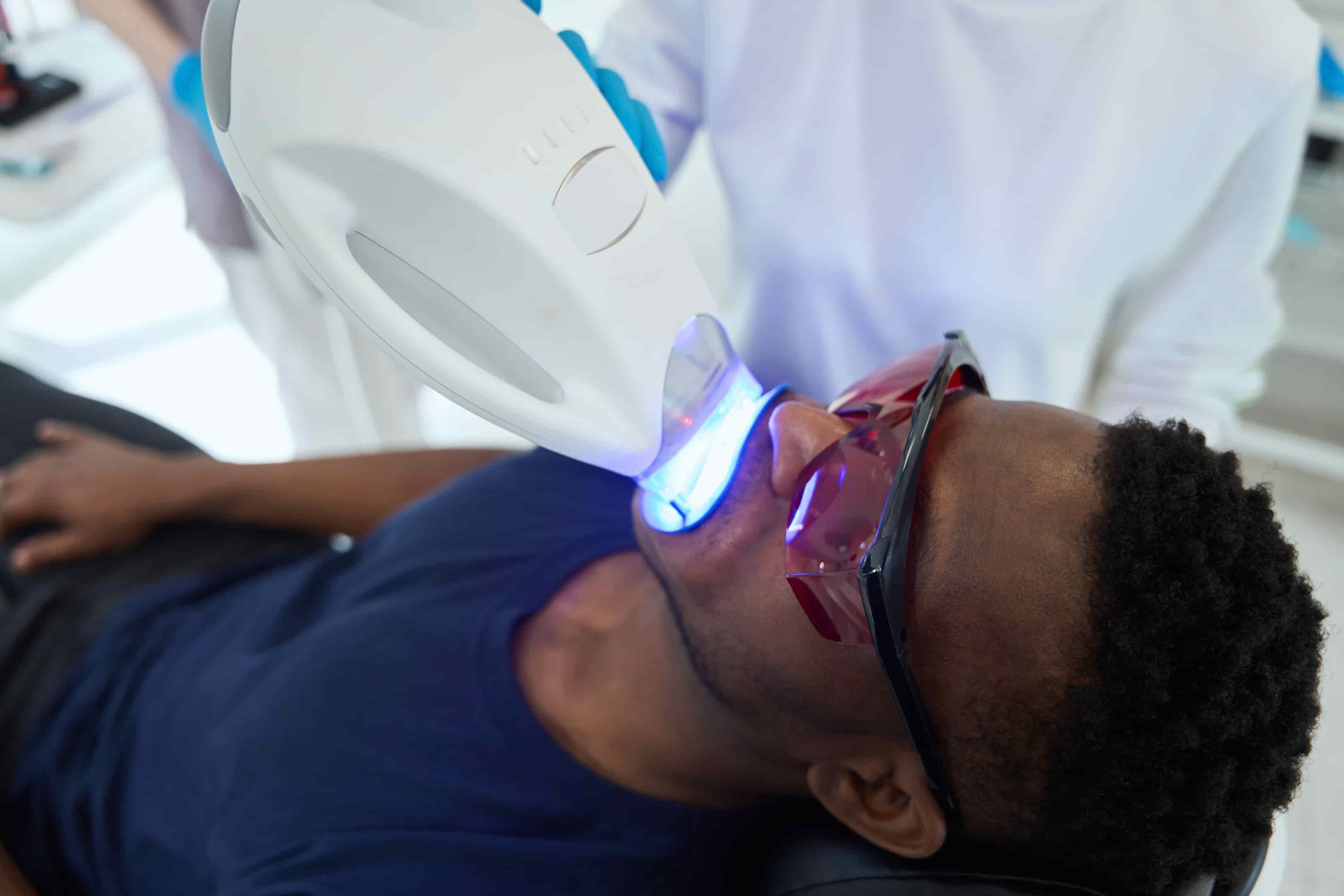
Both approaches rely on the same active ingredient: Hydrogen peroxide or carbamide peroxide. The difference is strength and supervision. In-office teeth whitening uses a stronger concentration, so the dentist first shields the gums with a protective gel or rubber barrier, according to the American Dental Association (ADA). At-home teeth whitening products are weaker, but no one checks for cavities or gum disease before you start.
So, are teeth whitening strips safe? Used as directed, generally yes. The ADA recommends products carrying its Seal of Acceptance, which means they’ve been tested for safety and effectiveness. Cleveland Clinic advises skipping DIY shortcuts such as:
- Activated charcoal powders
- Vinegar or oil-based remedies
- Medicine-cabinet hydrogen peroxide
None has evidence behind it, and some may damage teeth.
Does Teeth Whitening Damage Enamel or Cause Sensitivity?
Does teeth whitening damage enamel? Cleveland Clinic reports that lab studies have raised erosion concerns, but those effects haven’t been shown on living teeth. Sensitivity is more common. The ADA explains that post-whitening sensitivity occurs when peroxide reaches the dentin layer beneath the enamel and irritates the nerve. The discomfort is temporary, and a dentist can adjust the treatment to reduce it.
Does Professional Teeth Whitening Work Better, and How Long Does It Last?
For speed, yes. The ADA notes that in-office treatment usually takes one visit, while over-the-counter strips typically need about two weeks, according to Cleveland Clinic.
How long does teeth whitening last? Cleveland Clinic puts the range at six months to three years. Coffee, tea, red wine, and tobacco shorten that window. One limit applies to every method: Whitening won’t change the color of crowns, veneers, or fillings.
How Much Does Professional Teeth Whitening Cost, and Is It Worth It?
Teeth whitening cost depends on the method. Store kits cost less up front, but results build slowly, and many people buy repeat boxes. Professional teeth whitening costs more per visit, yet it delivers visible results in a single appointment and starts with an exam to confirm your teeth and gums are healthy. For anyone with an event on the calendar, that predictability is often worth it.
Who Should Talk to a Dentist Before Whitening?
The ADA recommends everyone consult a dentist first, but it matters most for:
- Patients with crowns, veneers, or fillings on front teeth
- Anyone with cavities, gum disease, or existing sensitivity
- Expectant mothers
Teeth whitening during pregnancy is typically postponed until after the baby arrives because it’s elective, according to the ADA’s MouthHealthy site.
Fall photos, weddings, and holiday gatherings will be here before you know it, and starting a few weeks early leaves time for any sensitivity to settle. Call Modern Dentistry & Cosmetics at (417) 623-8232 to schedule a whitening consultation and find the safest, most effective option for your smile.
Store-Bought vs. Custom Mouthguards: What's Best?
Published on 08/04/2026
Whether you're outfitting a young athlete for fall tryouts or dealing with nighttime jaw pain, choosing between a store-bought mouthguard and a professionally made option affects more than comfort. At Modern Dentistry & Cosmetics, we help patients of every age compare sports mouthguards, nighttime dental guards, and bite guards to make an informed choice.
Precision Fit vs. One-Size-Fits-All
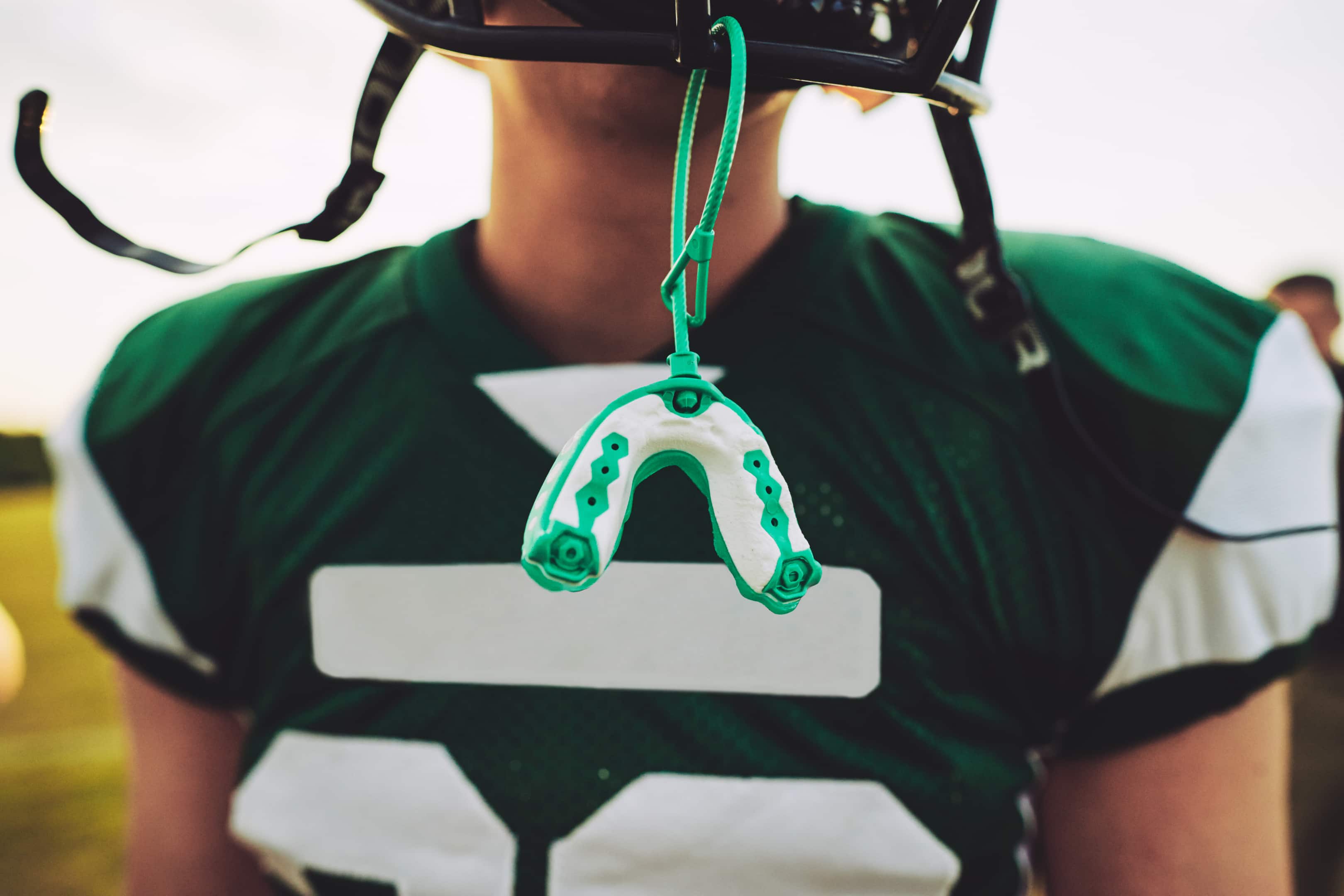
A store-bought mouthguard fits a general range of mouths, not yours specifically. Even boil-and-bite versions only approximate a fit, often leaving gaps or pressure points that shift during activity. Custom mouthguards, by contrast, are molded from an impression of your exact bite, so they sit securely without constant readjustment. That precision matters whether the guard is protecting teeth on the field or easing jaw clenching at night.
Protection: Which Absorbs Impact Better
According to the American Dental Association, properly fitted mouthguards reduce the risk of oral injury during contact sports, and dentist-fitted options are recommended for athletes of all ages. A poorly fitted store-bought mouthguard can't evenly distribute impact across the jaw, increasing the risk of chipped teeth or gum injury. Custom mouthguards spread force across the entire arch, which is why they remain the standard for serious protection in sports mouthguards and everyday bite guards alike.
Cost: Upfront Price vs. Long-Term Value
Store-bought options cost less upfront, but those savings can be misleading:
- Store-bought guards often need replacing every season due to wear or poor fit
- A professionally fitted option is built to last several years with proper care
- Repeated dental trauma from inadequate protection can lead to costlier restorative treatment later
Factor in replacement frequency and injury risk, and custom options frequently deliver better value over time.
Durability: Built to Last vs. Built to Replace
Store-bought guards are made from lower-grade materials that flatten, crack, or lose shape within months. Custom mouthguards are made from dental-grade materials that last, holding their shape through years of contact sports, grinding, or nightly wear.
TMJ and Grinding Relief
Mouthguards aren't only for athletes. The National Institute of Dental and Craniofacial Research reports that temporomandibular joint disorder, often called TMJ disorder or sometimes referred to as TMD, affects more than 10 million Americans and is more common in women. Teeth grinding and jaw clenching, known clinically as bruxism, are common contributors to TMJ symptoms and can worsen without treatment. Custom mouthguards fitted as a nighttime dental guard can ease muscle strain, protect enamel, and reduce clenching-related pain—something a generic dental guard from a store shelf isn't designed to do.
Emerging research is also looking beyond guards for TMJ relief. According to the Cleveland Clinic, Botox can temporarily reduce overactive jaw muscle contractions in some patients, helping break the chronic pain cycle linked to TMJ disorder. It isn't FDA-approved specifically for TMJ, evidence is mixed, and providers typically reserve it for cases where conservative options haven't worked well enough alone. Ask your dentist whether it fits your broader treatment plan alongside a properly fitted bite guard.
If jaw pain, teeth grinding, or an upcoming sports season has you weighing your options, call Modern Dentistry & Cosmetics today at (417) 623-8232 to schedule an appointment and find the right bite guard for your needs, whether that's relief from TMJ disorder, protection from jaw clenching, or a dependable sports mouthguard built for the months ahead.
Wisdom Teeth Removal: Why Summer Break Beats the School Year
Published on 07/22/2026
Every August, students and parents across the Joplin area scramble to fit dentists' appointments in before the first bell rings. But wisdom teeth removal is one procedure worth planning around the calendar, not squeezing in after it. Summer break gives teens and young adults the downtime their bodies actually need to heal, while a mid-semester surgery date can turn a routine recovery into a homework-and-practice juggling act.
Best Time for Wisdom Teeth Removal
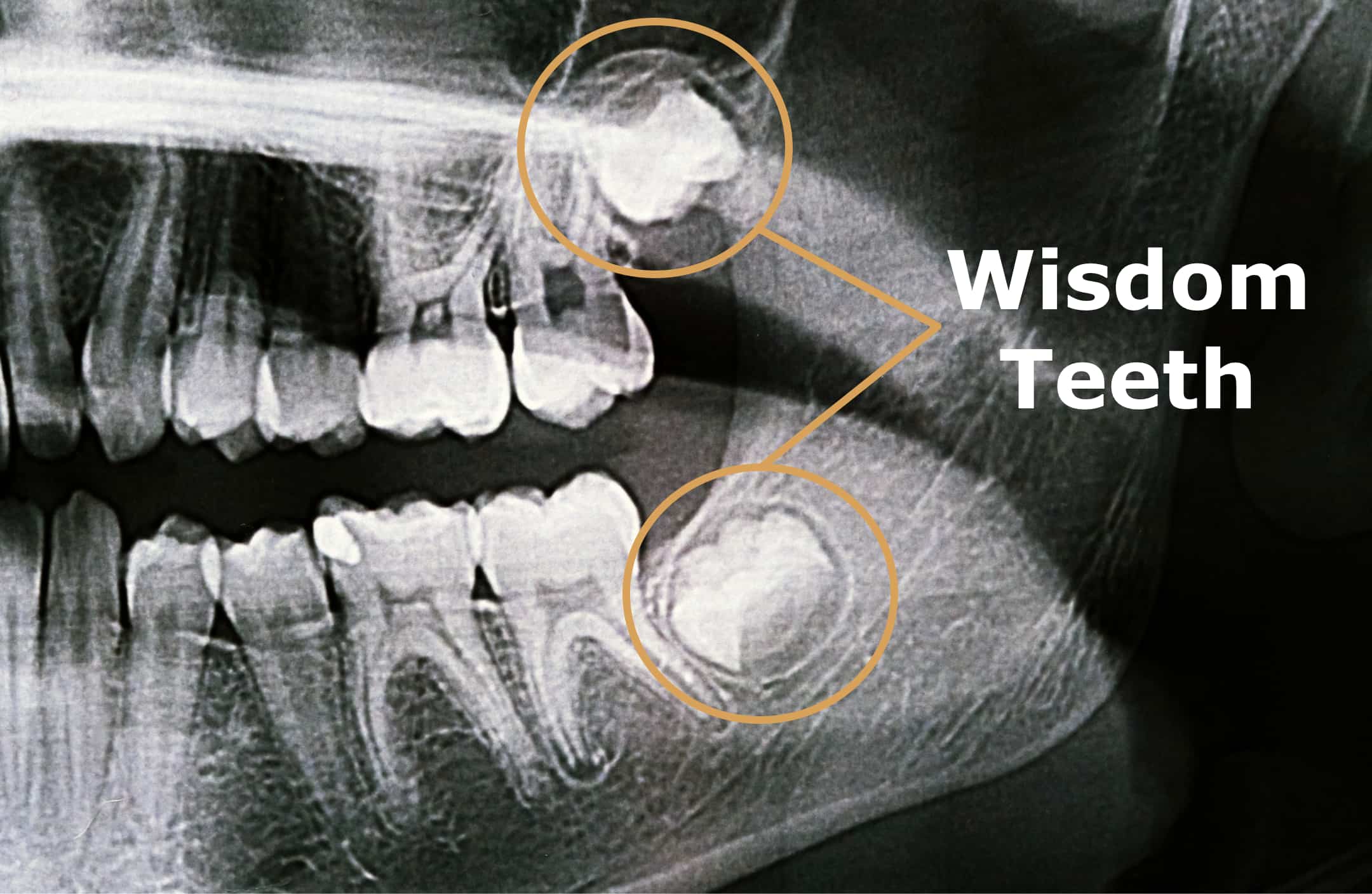
The American Association of Oral and Maxillofacial Surgeons recommends that every young adult have their third molars evaluated, since these teeth typically emerge between ages 17 and 25. The best age to get wisdom teeth removed is generally the late teens to early 20s, when tooth roots haven't fully formed, and the surrounding bone is less dense—both factors that make surgery easier and healing faster.
Wisdom Teeth Removal Recovery Time
Most patients return to normal routines within 3 to 5 days, though full healing can take 1 to 2 weeks. According to the Cleveland Clinic, here's a general timeline of what to expect:
- Days 1–2: Swelling and bleeding are most noticeable; rest and ice packs are most important.
- Days 3–5: Swelling begins to subside; most people can return to light activity.
- Week 1–2: Gums continue closing over the extraction sites, and soreness fades.
- Beyond two weeks: Full bone healing continues quietly in the background for months.
Summer vs. School Year Recovery
A student recovering in July can sleep in, eat soft foods on their own schedule, and skip practice without falling behind. Try that same recovery during the school year, and swelling, dietary restrictions, and pain medication collide with essay deadlines, exams, and sports conditioning. Comparing the two side by side makes the timing decision straightforward: Summer offers uninterrupted downtime that the academic calendar simply doesn't.
Why July Is the Deadline
Scheduling wisdom teeth removal before school starts means booking the consultation and surgery date in July, since most patients need roughly two weeks of buffer time before resuming full activity. Wait until August, and the only options left are rushed recoveries or delaying the procedure until winter break, when impacted teeth have had more time to cause discomfort or crowding.
Aftercare Tips for Faster Recovery
How long wisdom teeth removal swelling lasts depends largely on how closely aftercare instructions are followed in the first 72 hours. Dry socket prevention is the priority during this window, since exposed bone at the extraction site is a leading cause of prolonged pain. Helpful habits include:
- Avoiding straws, smoking, or vaping for at least three days to protect the healing blood clot.
- Sticking to soft foods like yogurt, soup, and mashed potatoes for the first few days.
- Rinse gently with warm salt water starting 24 hours after surgery.
- Applying ice packs in 20-minute intervals to manage swelling.
Following these steps closely reduces the odds of complications and helps patients get back to normal faster.
Don't let this summer's window close before scheduling. Call Modern Dentistry & Cosmetics at (417) 623-8232 today to book a consultation and give your teen—or yourself—the smoothest recovery possible before fall arrives.

Best and Worst Summer Drinks for Teeth: A Guide for Joplin, Missouri, Dental Patients
Published on 06/25/2026
Joplin summers mean cookouts, pool days, and a steady rotation of summer beverages reaching for relief from the heat. For dental patients across Joplin, Missouri, the popular drinks reached for on a hot afternoon can be among the best or worst for long-term oral health. Here's what the research actually says about which beverages protect your smile and which ones quietly damage it.
Worst Drinks for Your Teeth this Summer
Soda, sports drinks, and energy drinks remain the worst offenders, bad drinks that combine sugar with high acidity to attack enamel from two directions at once. Research from the National Institutes of Health found that energy drinks had pH levels between 2.36 and 3.41, a level of acidity that caused significantly greater enamel weight loss than sports drinks in laboratory testing. Dental erosion researchers note that any beverage with a pH below 4.0 begins chemically dissolving tooth structure on contact, a threshold many sugary drinks and acidic drinks cross with every sip.
Iced Coffee and Enamel Erosion
Iced coffee is one of the most acidic drinks people reach for all summer, and frequent exposure is a recognized cause of tooth enamel erosion. Over time, this shows up in adult teeth as yellowing, where thinning enamel exposes the dentin underneath, and as rounded or slightly transparent edges near the bite. The American Dental Association recommends drinking iced coffee and other sugar-sweetened beverages through a straw positioned toward the back of the mouth to limit contact with front teeth.
Best Tooth-Friendly Summer Drinks
The ADA points to a short list of genuinely tooth-friendly options:
- Plain or fluoridated tap water, which rinses away sugar and acid with no erosive effect
- Plain milk, which supplies calcium and helps neutralize acid from earlier food or drink
- Unsweetened tea, sipped rather than held in the mouth
- Water or milk as a chaser after anything acidic, to rinse residue off the teeth enamel
Waiting roughly an hour before brushing also gives saliva time to naturally neutralize acid and re-harden enamel.
Summer Dental Tips for Kids
For kids' teeth, frequency matters more than any single treat. CDC-supported research has linked sugar-sweetened beverage consumption of four or more times per week to higher cavity rates in young children, and a doubling in sugar intake is associated with 23% greater tooth decay in kids ages 2 to 8. Lemonade, fruit punch, and soda are common summer drinks behind those numbers, and pairing them with water while limiting all-day sipping makes a measurable difference.
Warning Signs You Need a Joplin Dentist
Sensitivity to hot, cold, or sweet foods, visible yellowing, rounded or "sand-blasted" edges, and small cracks or dents on chewing surfaces all signal active enamel erosion. Early-stage erosion often causes no pain at all, which is exactly why these signs shouldn't be ignored.
If your family has enjoyed its share of summer drinks this season, Modern Dentistry & Cosmetics in Joplin can help catch and repair enamel damage before it becomes a bigger problem. Call (417) 623-8232 today to schedule an appointment and keep every smile in your family healthy all summer long.
How 6-Month Dental Checkups Lead to Fewer Dental Visits
Published on 05/22/2026
For families across Joplin, consistent dental checkups every six months are one of the most effective tools for protecting long-term oral health. Whether you are searching for dentists in Joplin or a dental cleaning near me, the path to fewer dental visits begins with preventive dental care—not reactive treatment.
Plaque and Tartar Removal Prevents Cavities
Plaque is a sticky bacterial film that forms on teeth daily. When left unremoved, it hardens into tartar—a buildup no toothbrush can eliminate. A professional dental cleaning removes both, significantly reducing your risk of tooth decay. According to MedlinePlus, a resource of the U.S. National Library of Medicine, untreated plaque leads to serious conditions, including cavities and gum disease. Scheduling a teeth cleaning twice a year is the most direct way to prevent cavities before they start.
Early Detection Means Fewer Appointments
Routine dental checkups allow dentists to identify problems while they are still minor. The University of Illinois Chicago College of Dentistry confirms that preventive dental care—early and routine treatment—reduces the need for complex, costly procedures. A cavity caught early needs only a filling. Left untreated, that same cavity can progress to a root canal or crown, multiplying both cost and the number of appointments required.
Regular Cleanings Help Prevent Gum Disease
Gum disease is both common and preventable. According to the CDC, nearly half of American adults aged 30 and older have some form of gum disease. Its earliest stage, gingivitis, is reversible with a professional dental cleaning and consistent home care. Regular dental checkups give your dentist the opportunity to detect gum disease before it causes lasting damage to your teeth and gums.
Skipping Cleanings Creates More Dental Visits
Delaying dental visits does not reduce the number of appointments—it creates more of them. Skipping routine dental care leads to:
- Plaque hardens into tartar, requiring more intensive treatment to remove
- Untreated cavities deepening and progressing to crowns or root canals
- Undetected gum disease advancing to periodontitis, requiring multiple specialized visits
- Tooth infections are spreading and potentially requiring oral surgery
- Dental emergencies that result in unplanned, urgent appointments
Research published through the National Institutes of Health confirms that patients who receive preventive dental visits have fewer subsequent nonpreventive appointments and lower overall dental costs.
How Oral Health Affects Your Overall Health
Oral health reaches beyond your teeth and gums. The National Institutes of Health has documented links between periodontal disease and serious systemic conditions, including cardiovascular disease, diabetes, and respiratory illness. Research also shows that poor oral health makes it harder for people with diabetes to control blood sugar levels. A routine dental cleaning every six months is a meaningful investment in your whole-body health—not just your smile.
Schedule Your Appointment at Modern Dentistry & Cosmetics
At Modern Dentistry & Cosmetics, we provide preventive dental care for patients of all ages throughout Joplin and the surrounding area. Do not wait for pain to find a dentist. Be proactive. Call us today at (417) 623-8232 to schedule your dental cleaning and take the first step toward fewer dental visits, healthier teeth, and a lifetime of confident smiles.
Adult Invisalign vs Braces in Joplin | Cost and Treatment
Published on 04/16/2026
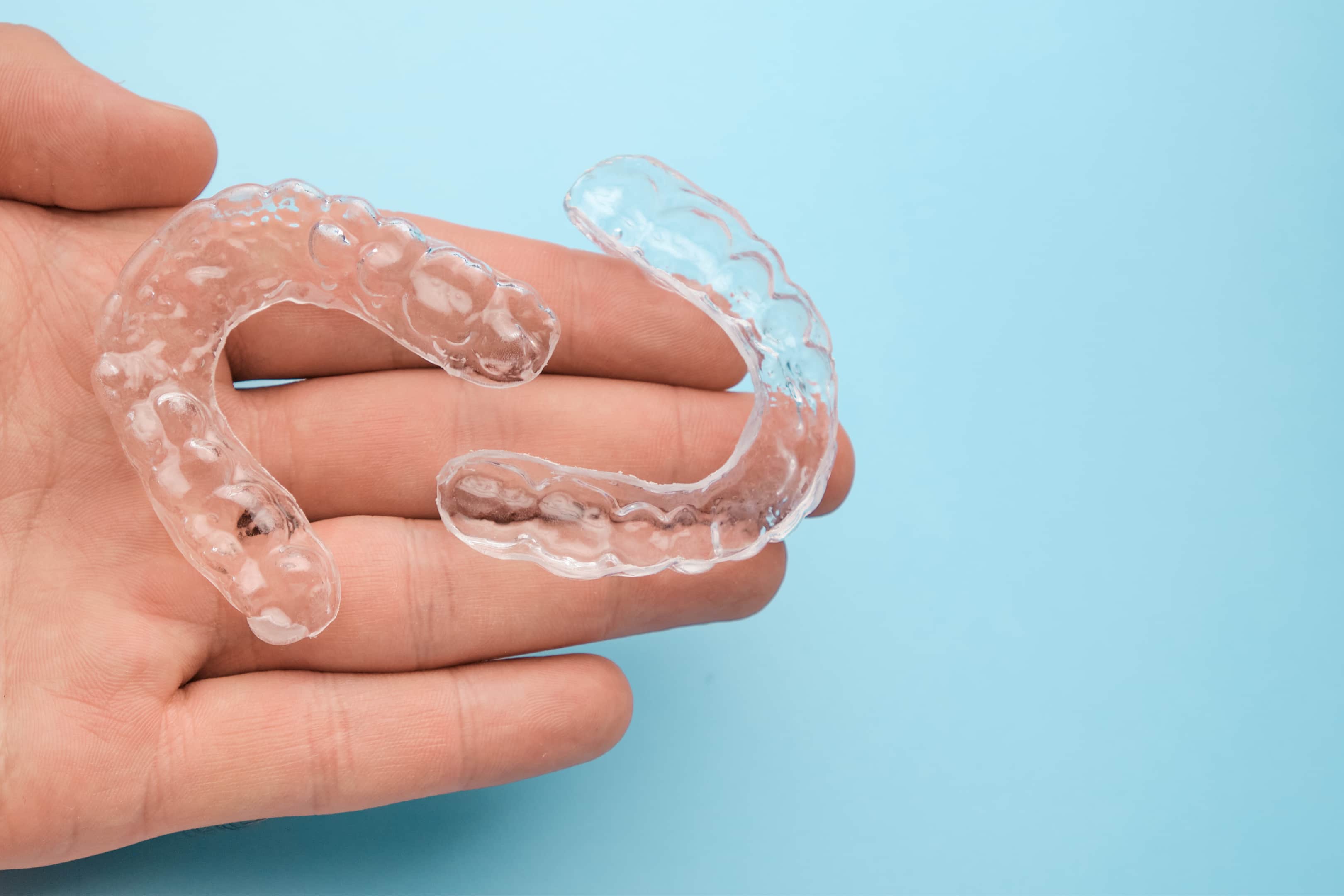
Adult women 16+ and men 18+ in Joplin have more orthodontic options than ever, and choosing between Invisalign vs. braces can feel like a major decision. This guide focuses on clear, realistic expectations around cost, comfort, and treatment so you can make an informed choice that fits your life.
Adult Orthodontic Goals: Is Treatment Right for You?
Healthy teeth can move at almost any age, so adult braces and clear aligners, such as brand-name Invisalign, are often appropriate as long as the gums and bone are healthy. Adults usually pursue treatment to correct crowding, close gaps, improve bite function, or update their smile for professional confidence.
Key questions to ask yourself include:
- Am I bothered by crowding, gaps, or a misaligned bite in photos or daily life?
- Do I have any jaw discomfort or difficulty chewing certain foods?
- Has past orthodontic work relapsed because I stopped wearing a retainer?
- Can I commit to wearing aligners 20–22 hours per day if I choose adult Invisalign?
- Am I willing to follow through with retainers after treatment to protect my results?
Your dentist or orthodontist will review your goals, oral health, and X‑rays to see whether clear aligners or adult braces are better suited to your specific case.
Comfort, Lifestyle, and Appearance for Working Adults
For many adults comparing Invisalign vs braces, appearance and convenience matter as much as tooth movement. Clear aligners are nearly invisible, removable for eating and photos, and tend to cause less cheek irritation than brackets and wires. Braces, including clear or ceramic options, stay fixed in place and are often better for complex tooth movements that require continuous control.
Consider how you live and work:
- Clear aligners can be removed briefly for presentations or special events.
- Braces stay in place 24/7, so there is no “near me” aligner case to keep track of.
- Aligners require discipline; forgetting trays can extend Invisalign treatment.
- Braces come with food restrictions to prevent damage to brackets and wires.
- Both options may cause temporary soreness after adjustments or new trays.
What Adult Invisalign and Braces Really Cost in Joplin
Published data suggest that most full-adult Invisalign treatment plans in Missouri fall roughly in the mid‑thousands of dollars, with many cases ranging from $3,000 to $7,000 dollars, depending on complexity and length of care. National estimates of Invisalign costs show that adults commonly pay in a similar range, with simpler cases on the lower end and more complex bite corrections at the higher end. Traditional adult braces typically span a comparable range, with total fees shaped by case severity, visit frequency, and any extra appliances needed.
When you see “adult Invisalign cost near me” ranges online, remember they are estimates, not guarantees. Factors that affect your actual Invisalign cost or braces cost include:
- How many teeth need to move and how far
- Whether bite correction (overbite, underbite, crossbite) is required
- Type of braces or clear aligners recommended
- Length of Invisalign treatment or braces treatment time
- Insurance benefits, HSA/FSA use, and office payment plans
Treatment Timeline: How Long Adult Invisalign and Braces Take
For many mild-to-moderate adult cases, clear aligners typically take about 12 to 18 months when worn as directed. Braces used for more complex problems commonly fall in the 18 to 24‑month range, though simpler needs may finish faster, and difficult cases can take longer. Your exact timeline will depend on how your teeth respond, how consistently you wear aligners, and how closely you follow your provider’s instructions.
Choosing a Joplin Provider: Why Expertise and Technology Matter
When you search for “adult Invisalign near me” or “adult braces Joplin,” pay close attention to the training and technology each office offers. Practices that use digital scanners, 3D treatment planning, and experience with both clear aligners and braces can more accurately compare Invisalign vs braces for your unique smile. Look for transparent discussions about Invisalign cost, realistic timelines, and clear explanations of your options rather than one‑size‑fits‑all promises.
At Modern Dentistry & Cosmetics, Dr. Hamby’s advanced Invisalign training and tech‑forward approach are built into every step of your treatment planning. Using digital impressions instead of messy traditional molds, 3D simulations to preview your projected results, and precise tooth‑by‑tooth movement mapping, he can clearly show how clear aligners and adult braces would each work for your specific case. This combination of specialty training and modern technology helps remove the guesswork from choosing between options and gives you a more confident, data‑driven decision about your smile.
Ready to explore whether Invisalign vs. braces is right for your smile and lifestyle? Modern Dentistry & Cosmetics welcomes adults who want straightforward answers about clear aligners, adult braces, Invisalign treatment timelines, and real‑world costs. Call Modern Dentistry & Cosmetics today at (417) 623-8232 to schedule an appointment and get a personalized treatment and cost estimate tailored to your goals.